
Accepted by CHI 2023

Accepted by CHI 2023

Get Distracted or Missed the Stop? A Field Study on Passengers’ Behaviors, Motivations, and Challenges While Multitasking

Get Distracted or Missed the Stop? A Field Study on Passengers’ Behaviors, Motivations, and Challenges While Multitasking

About Project

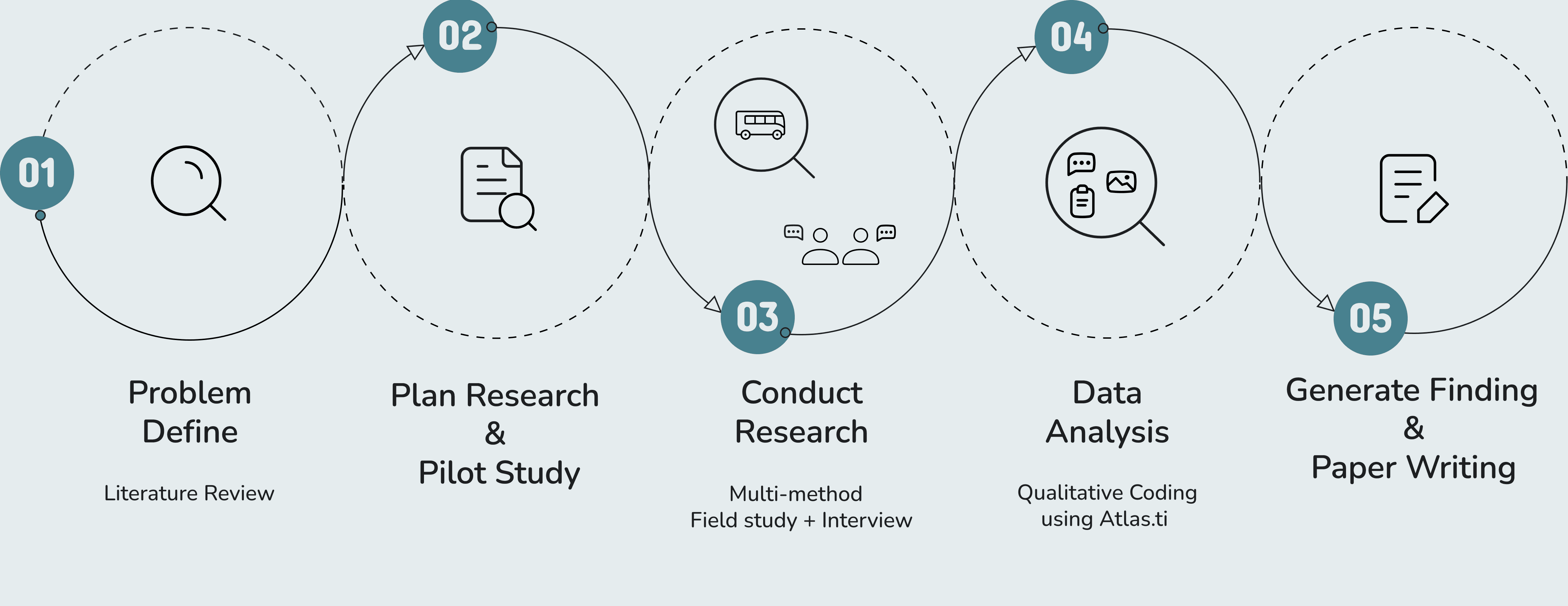
In this project, we set out to understand passengers’ behaviors and challenges when multitasking on public transportation. We conducted a multi-method study that included shadowing and interviewing 30 passengers. The findings were published in an academic paper that was accepted by the 2023 ACM Conference on Human Factors in Computing Systems (CHI 2023).

My Role

  • Planned and conducted user research

  • Synthesized insights using qualitative coding

  • Co-wrote the academic research paper

  • Presented the work at CHI 2023

Achievements

Delivered an academic research paper accepted by the 2023 ACM Conference on Human Factors in Computing Systems (CHI 2023). The paper has since received 297 reads and 7 citations, contributing to advancements in digital design for public transportation.

TEAM

1 Lab leader
3 UX researchers

1 Project leader
3 UX researchers

DURATION

15 months

TOOLS

Atlas.ti (Transcript labeling)

Google Excel (Qualitative data sorting)

Atlas.ti - Transcript labeling and qualitative coding

Google Sheets - Sorting and organizing qualitative data

Read Full Paper

What is Travel-based Multitasking?

What is Travel-based Multitasking?

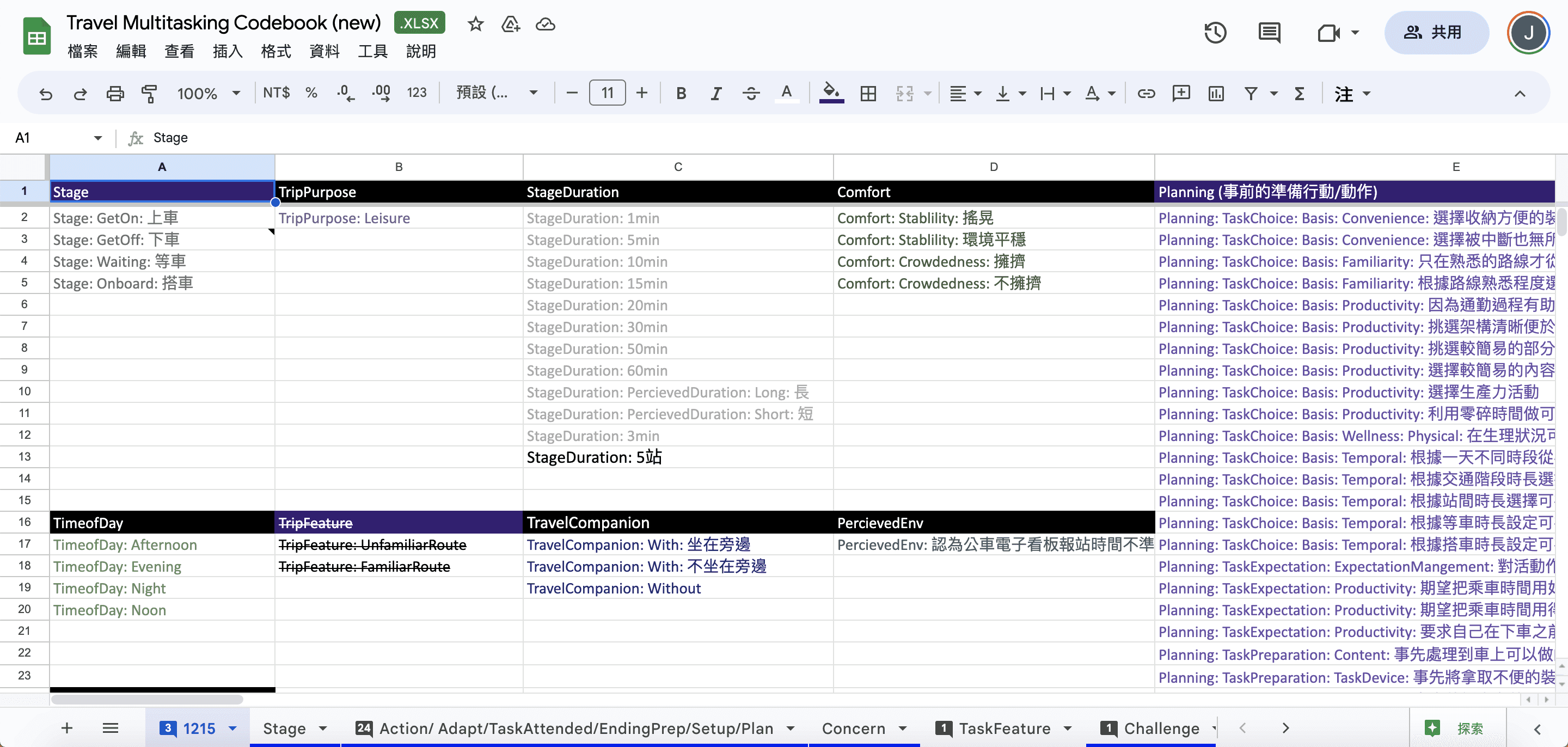
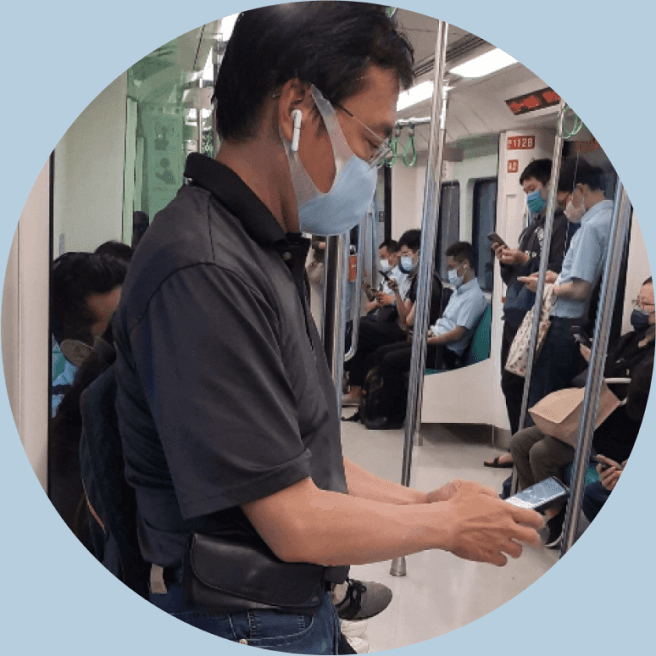
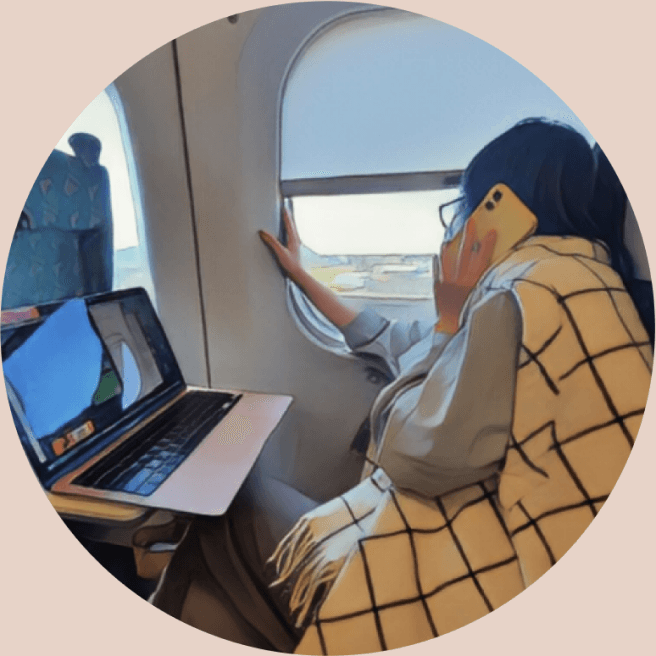
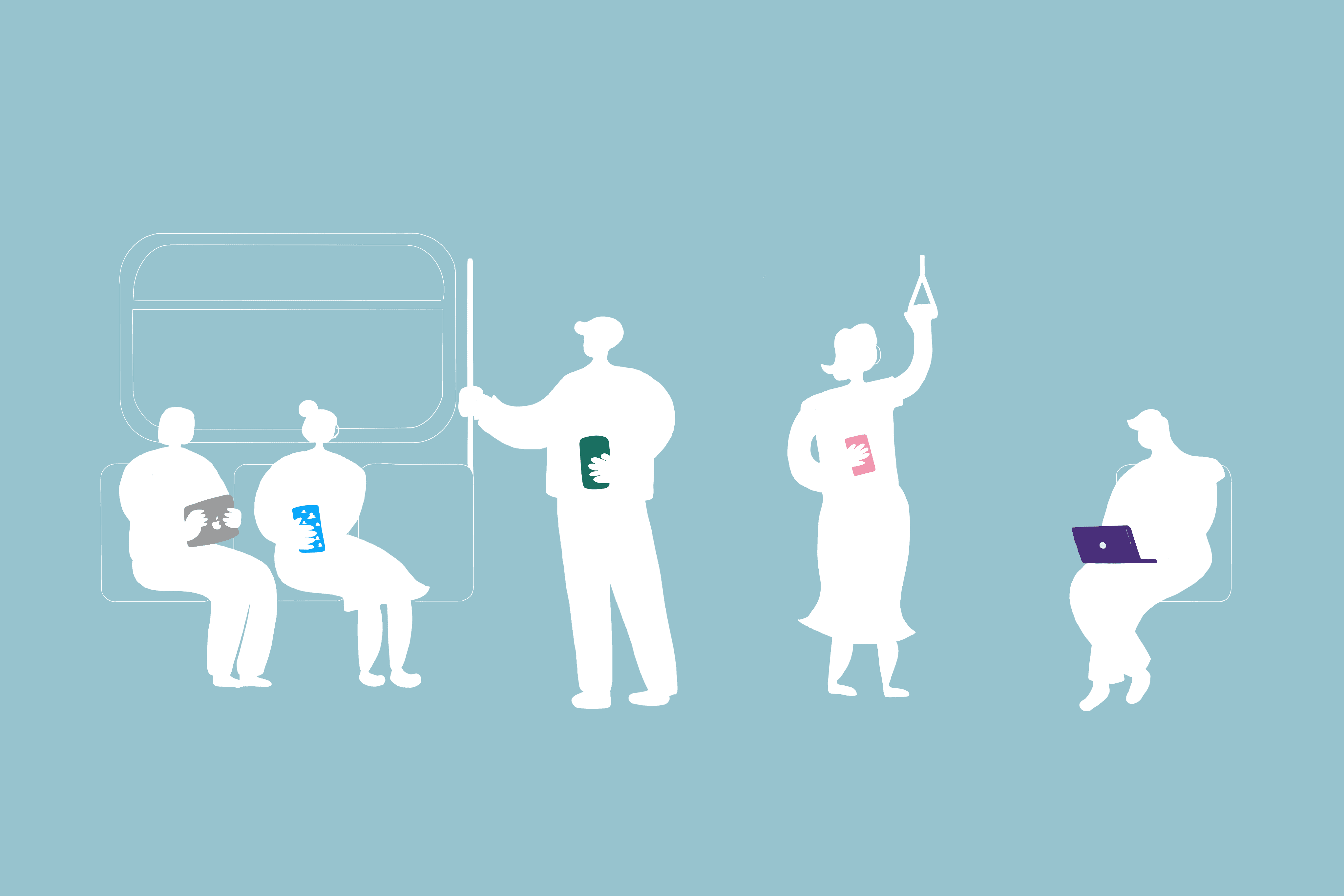
Do you use your phone when commuting? Many people use their mobile devices such as mobile phone, tablet or even laptop on public transits thanks to the convenience of the technology. While people are using their mobile devices on public transit, they are actually simultaneously doing another task that can easily be neglected, that is, traveling.

What is Travel Task?

Travel task means monitoring cues that indicate when they should get off the transit.

task-at-hand

travel task

What might cause challenges for Travel-based Multitasking?

What might cause challenges for Travel-based Multitasking?

People’s attention is limited

People’s attention is limited

Dynamic environment on public transits

Dynamic environment on public transits

Research Questions

Research Questions

To design better digital experiences for public transit, our first step is to deeply understand people’s behaviors and the challenges they encounter.

To design better digital experiences for public transit, our first step is to deeply understand people’s behaviors and the challenges they encounter.

01

What are travel multitaskers’ behavioral patterns and motivation?

02

What challenges do travel multitaskers encounter?
Research Process

Research Process

Click the image to zoom in

Dive into Process Details

Dive into Process Details

RECRUITMENT

Two Stage of Recruitment

Two Stage of Recruitment

Our recruitment involves two stages. In this stage, we captured an overview of travel-multitasking scenarios. Our screening focused on reaching diverse participants and scenarios.


In the second stage, we had established a series of theoretical categories based on our first stage data by using qualitative coding process. Our recruitment at that point focused mainly on the travel-multitasking scenarios that had not sufficiently captured in our data.

Our recruitment involves two stages. In this stage, we captured an overview of travel-multitasking scenarios. Our screening focused on reaching diverse participants and scenarios.


In the second stage, we had established a series of theoretical categories based on our first stage data by using qualitative coding process. Our recruitment at that point focused mainly on the travel-multitasking scenarios that had not sufficiently captured in our data.

STEP 1

Shadowing

Shadowing

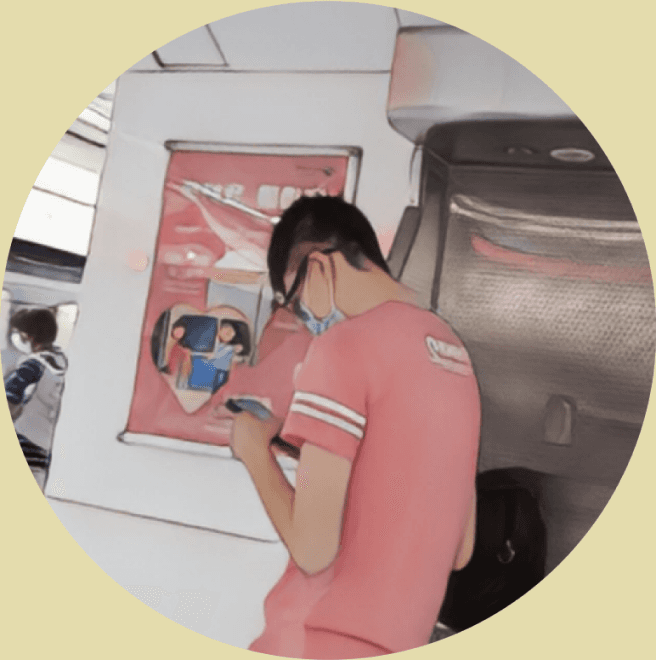
We aim to understand how people multitask within their natural environment, public transportation, specifically focus on the behaviors that may be difficult to obtain through retrospection in the interviews such as their attention-switching, habitual phone use, and autonomous responses to the environment.

We aim to understand how people multitask within their natural environment, public transportation, specifically focus on the behaviors that may be difficult to obtain through retrospection in the interviews such as their attention-switching, habitual phone use, and autonomous responses to the environment.

STEP 2

Debriefing Interview

Debriefing Interview

Clarify what we shadow

Clarify what we shadow

After observation, we gave participants a 30-minute debriefing interview. The goal of the debriefing interview is a quick clarification of the participant’s in situ perceptions, feelings, experiences, and reasons behind their multitasking decisions within the previous journey that might have been difficult to recall in a subsequent semi-structured interview.

After observation, we gave participants a 30-minute debriefing interview. The goal of the debriefing interview is a quick clarification of the participant’s in situ perceptions, feelings, experiences, and reasons behind their multitasking decisions within the previous journey that might have been difficult to recall in a subsequent semi-structured interview.

STEP 3

Semi-Structure Interview

Semi-Structure Interview

Dive deeper into long-term experience

Dive deeper into long-term experience

We invited the participants to a semi-structured interview and dived deeper into their multitasking experience over the preceding six months. We asked the participants to walk through their travel-multitasking experiences, including their choices of tasks and technology; the reasons behind those choices; the way they do their tasks, their feelings/attitudes within the journey; their multitasking processes and outcomes; and the challenges and barriers they had encountered along different stages of their journeys, including waiting, riding, and disembarking.

We invited the participants to a semi-structured interview and dived deeper into their multitasking experience over the preceding six months. We asked the participants to walk through their travel-multitasking experiences, including their choices of tasks and technology; the reasons behind those choices; the way they do their tasks, their feelings/attitudes within the journey; their multitasking processes and outcomes; and the challenges and barriers they had encountered along different stages of their journeys, including waiting, riding, and disembarking.

INSIGHT SYNTHESIS

Qualitative Coding

Qualitative Coding

Generate themes and patterns through observation data and interview scripts

Generate themes and patterns through observation data and interview scripts

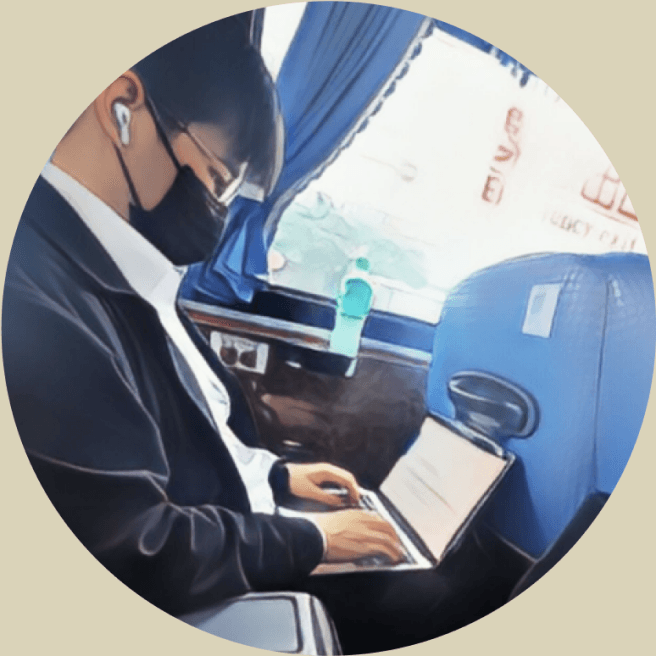
We analyzed our data from shadowing (observation notes) and interviews through qualitative coding. We coded our data in ATLAS.ti and synthesized themes and categories to form our codebook.

We analyzed our data from shadowing (observation notes) and interviews through qualitative coding. We coded our data in ATLAS.ti and synthesized themes and categories to form our codebook.

What did we learn?

And what are the design opportunities?

What did we learn?

And what are the design opportunities?

INSIGHT

Motivation affects Passengers' Receptivity to Travel Cues.
Motivations played the key role in determining how insistent the participants were about performing a specific task-at-hand, affecting how strongly they concentrated while performing it, how much progress and quality they expected their work to be. These influenced their receptivity to travel cues and their ability to adapt their tasks-at-hand to their public-transit environments.

Motivations played the key role in determining how insistent the participants were about performing a specific task-at-hand, affecting how strongly they concentrated while performing it, how much progress and quality they expected their work to be. These influenced their receptivity to travel cues and their ability to adapt their tasks-at-hand to their public-transit environments.

Habitual Phubber

“It’s probably just an unconscious thing, for no particular reason"

Incentive to task

Task Expectation

Receptivity to Travel Cues

Context-suite Task Lover

“On the MRT, your attention is always drawn back to your current environment, and this makes you also quite alert and attentive to what is on the podcast.”

Incentive to task

Task Expectation

Receptivity to Travel Cues

Meaningful Time Seeker

“Mostly I see taking high-speed rail as a luxury, so I would hope to be productive when I do it [...] So I will try my best to make this worth it.”

Incentive to task

Task Expectation

Receptivity to Travel Cues

Last-minute Worker

“I had to squat down and take out my computer, find a space, and then put the computer on my knee to do my work. It was not an ideal situation. Very crowded, but I had to do it.”

Incentive to task

Task Expectation

Receptivity to Travel Cues

DESIGN OPPORTUNITY

Collect passengers’ in-transit motivations through contextual questionnaire and deliver customized, timely reminders that adapt to their current focus and sensitivity to environmental travel cues.

INSIGHT

The better passengers know their route, the less uncertainty they feel while traveling.

DESIGN OPPORTUNITY

Provide characteristics of passengers' upcoming journeys in advanced by providing information such as the lengths of the intervals between stops, noise levels, the spatial distribution of seating and the locations of stop-announcement displays.

INSIGHT

Passengers frequently switch attention between their own devices and travel screens.

DESIGN OPPORTUNITY

Provide diverse channels of cues to ensure that they are accessible for every passengers
Explore more projects

Explore more projects

Let's connect and collaborate!

Let's connect and collaborate!